


JOURNAL ACCREDITATION


 2025 Volume 5 No 2
Volume 5, Issue 2 of the Journal of Elementary Educational Research (JEER), published in December 2025, compiles eight scholarly articles authored by researchers from Indonesia, Malaysia, Russia, Myanmar, and Australia. This edition showcases a wide range of studies focusing on innovations and challenges in elementary education, particularly in the areas of critical thinking, communication skills, writing literacy, and academic character. Several articles emphasize the use of technology-integrated media and innovative learning models, such as gamification using Google Sites, Canva, and Wordwall, the 'Let’s Read' application for short story writing, and digital pop-up books in science and social studies (IPAS) instruction. Other contributions explore the development of the Research-Based Learning integrated with Character Education (RBL-ICE) model, the 'Greeting and Question' Deep Learning technique, and the preservation of moral educational values through the Katoba cultural ritual. Additionally, this issue addresses managerial factors by examining the influence of servant leadership and managerial skills of school principals on teacher motivation, commitment, and performance. Altogether, this issue reflects JEER’s ongoing commitment to supporting inclusive, contextual, and forward-thinking practices in basic education across diverse educational settings.
 2025 Volume 5 No 1
Volume 5, Issue 1 of the Journal of Elementary Educational Research (JEER), published in June 2025, compiles eight scholarly articles authored by researchers from Indonesia, the United Kingdom, the Philippines, and Nigeria. This edition showcases a wide range of studies focusing on innovations and challenges in elementary education, particularly in the areas of critical thinking, creative problem-solving, literacy skills, and student collaboration. Several articles emphasize the use of context-based and technology-integrated approaches such as project-based science learning, 3D diorama media, inquiry learning, AI supported interactive worksheets, and cultural e-modules to enhance the effectiveness of classroom instruction. Other contributions address promotional strategies for student enrollment and the role of cooperative learning models like TGT in improving student participation and communication. Altogether, this issue reflects JEER’s ongoing commitment to supporting inclusive, contextual, and forward-thinking practices in basic education across diverse educational settings.
 2024 Volume 4 No 2
This edition of JEER (Journal of Elementary Educational Research), Volume 4 Issue 2 (2024), features eight high-quality articles from authors in China, Egypt, and Indonesia, focusing on innovations and advancements in elementary education. Topics include the application of the Montessori Method in ethnic minority regions in Western China, the evaluation of Tahfizhul Qur'an programs in Madrasah Ibtidaiyah, the Make a Match learning model in Civics Education, differentiated learning in the Merdeka Belajar Curriculum, the impact of "Mading Pintar" on student outcomes, the development of a geometry textbook based on Gorontalo's local wisdom, and an interactive multimedia application for computer hardware education in PGMI students. Combining theoretical insights with practical approaches, this edition serves as a valuable resource for academics, researchers, and practitioners dedicated to advancing elementary education worldwide.
JOURNAL ACCREDITATION
ADDITIONAL MENU
JOURNAL TEMPLATE

click this icon for download template
Cooperation

JOURNAL CERTIFICATION

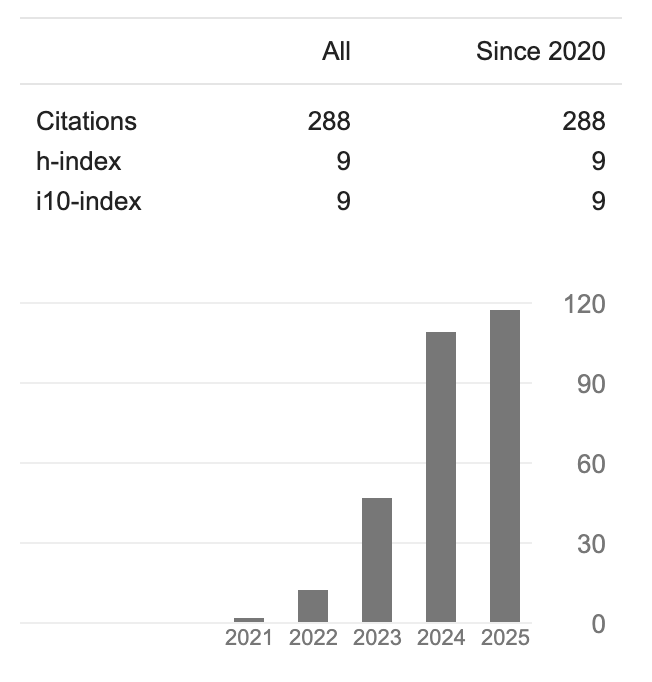
Google Scholar Citation
Supported By

Tools Editing